Peptides 101

Peptides 101: What They Are, How They Work, and Why Parents Should Care
If you’re a busy parent, especially a parent raising a child with special needs, you know that your energy, resilience, and emotional bandwidth are essential. Yet most parents are running on fumes. Fatigue, brain fog, inflammation, hormonal imbalance, poor sleep, and stress related issues have become so common that many believe they’re simply “normal parts of parenting.”
They are not.
They are biological signals that your body needs support.
This is where peptides come in, a modern, science backed tool that can help restore balance, improve energy, stabilize metabolism, strengthen recovery, and support overall well-being.
Let’s dive into an explanation of what peptides actually are, how they work, and why they are becoming a cornerstone of modern wellness.
What Are Peptides?
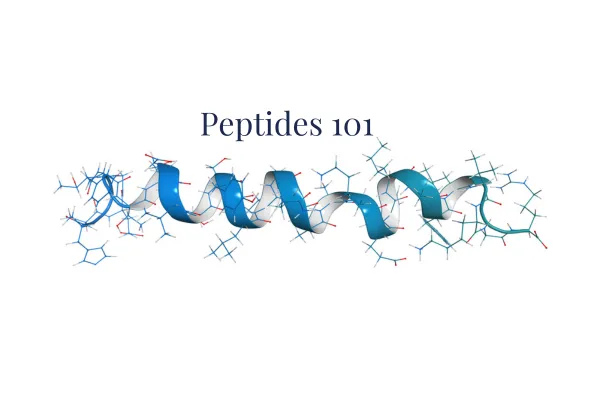
Peptides are short chains of amino acids, the building blocks of protein, that act as messengers in the body. They tell cells what to do, when to do it, and how much to do.
Think of peptides as little text messages your body sends to regulate:
metabolism
sleep
hormones
inflammation
repair
digestion
mood
As we age, and as chronic stress wears us down, these signals weaken. Peptides strengthen or restore those signals.
Why Peptides Matter Specifically for Parents
Parenting is biologically demanding. Special-needs parenting is physiologically intense.
Parents often experience:
chronic cortisol elevation
disrupted sleep
nutrient depletion
inflammation
hormonal imbalance
slower recovery
reduced mitochondrial energy
Peptides support these systems gently and naturally by partnering with your body’s existing biochemistry rather than overriding it.
How Peptides Work in the Body
Different peptides have different roles, but they generally fall into a few categories:
1. Signaling Peptides
These tell the body to activate a process, such as collagen production or fat metabolism.
2. Healing Peptides
These support tissue repair, gut healing, inflammation reduction, and recovery.
3. Hormone-Support Peptides
These help regulate insulin, growth hormone, sex hormones, appetite, and energy.
4. Brain-Support Peptides
These improve focus, clarity, mood, memory, and neurotransmitter balance.
Because peptides are natural signaling molecules that already exist in the body, they tend to be well-tolerated, gentle, and highly targeted.
Benefits Parents Often Notice
Parents report improvements such as:
more stable energy
better sleep
fewer cravings
improved metabolism
less bloating and inflammation
clearer thinking
more emotional resilience
improved recovery after physical strain
healthier skin and hair
improved mood
This is why peptides have become so popular with overwhelmed and exhausted adults looking for real, sustainable solutions.
Examples of Popular Peptides You’ll Hear About In Future Blogs
GLP-1 + B12 — metabolic and appetite regulation, energy, blood sugar
GLP-1/GIP (Tirzepatide) — dual-action metabolic and anti-inflammatory benefits
Microdose GLP-1 + NAD+ — gentle metabolic support with nervous system resilience
Sermorelin — hormone/growth-hormone support (sleep, recovery, repair)
BPC-157 + TB-500 — healing, recovery, injury and pain support
GHK-Cu — skin, hair, collagen, stem cell activation
Synapsin — cognitive support (NAD+, glutathione, methyl B12)
Glutathione — detoxification and inflammation support
Each peptide has a unique purpose, and I’ll break them down in future blogs.
Are Peptides Safe?
YES — when they come from pharmaceutical-grade compounding pharmacies that meet strict U.S. safety standards.
NO — if purchased from social media, overseas labs, discount peptide websites, or “research-only” suppliers.
I’ll cover peptide safety deeply in future blogs.
Who Should Consider Peptides?
You may benefit if you experience:
chronic fatigue
metabolic issues
emotional exhaustion
inflammatory conditions
pain or slow recovery
brain fog
sleep disruption
hormonal imbalance
Peptides offer support for many of the challenges modern parents face, not as magic fixes, but as powerful biological tools.
Bottom Line
Peptides are not trends. They are evidence based, targeted therapies that help the body heal, balance, and regulate itself. For parents carrying a heavy mental and physical load, they may be one of the most supportive tools available.


