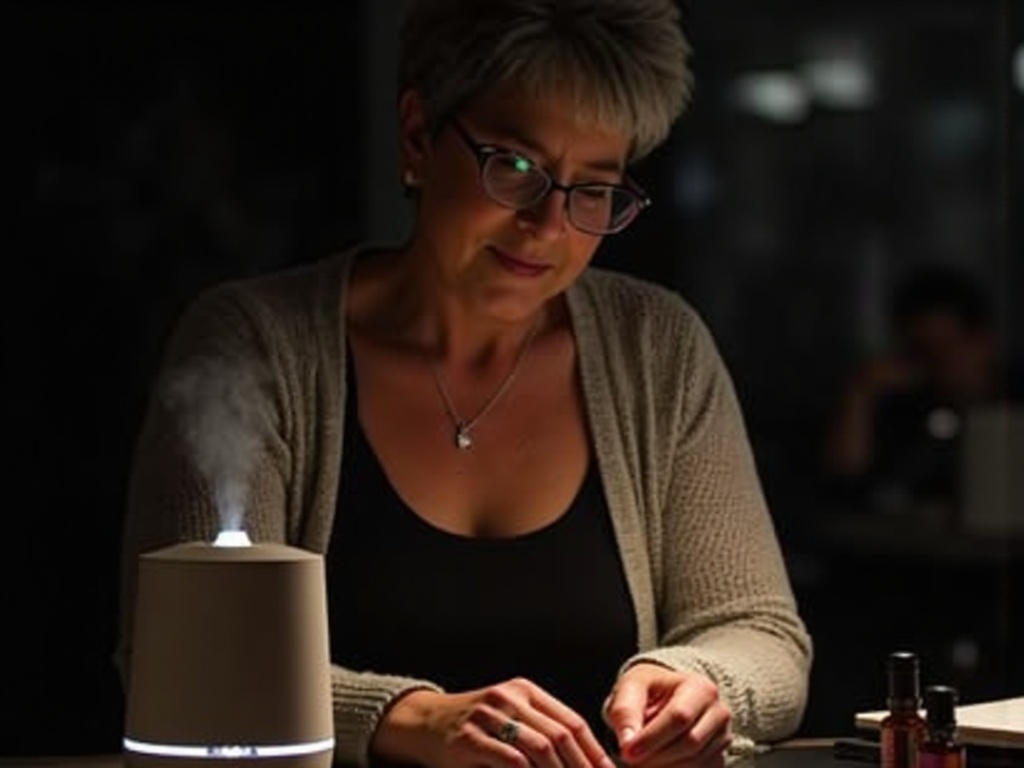
Building a Nervous System Friendly Home
How to Build a Nervous-System Friendly Home: Practical Strategies for Calmer Days and Easier Parenting
Every home has an emotional “climate.”
Some homes feel chaotic the moment you walk in.
Some feel heavy or tense.
Some feel peaceful, steady, and grounded.
And here’s the truth most parents don’t realize:
✨ Your home environment directly affects your child’s nervous system and yours.
This is especially important if your child is:
neurodivergent
sensory-sensitive
anxious
emotionally intense
diagnosed with ADHD or autism
navigating trauma
easily overwhelmed
A nervous-system friendly home doesn’t mean perfectly quiet, beautifully organized, or aesthetically minimal.
It means the environment supports regulation, not overstimulation.
And here’s the best part:
You don’t need a full home makeover to make this happen.
In this blog, I’ll break down simple, neuroscience-backed ways to create a calmer home environment that supports emotional stability, smoother transitions, better sleep, and easier parenting.
🧠 Why the Home Environment Matters So Much
Your nervous system (and your child’s) is constantly collecting sensory information:
light
sound
temperature
clutter
movement
textures
unpredictability
pace
These sensory cues determine whether your brain feels:
👉 safe and calm
or
👉 stressed and reactive
A home that supports regulation gives the brain a sense of:
predictability
stability
sensory safety
emotional warmth
rhythm
This dramatically reduces:
meltdowns
arguments
whining
overstimulation
parent reactivity
sleep disruptions
sensory overload
Small changes create big ripple effects.
🌿 Pillar 1: Reduce Sensory Overload
Parents are often surprised to learn how many everyday sensory factors overstimulate children (and adults).
You can lower sensory stress by adjusting:
Lighting
Soft, warm light regulates the nervous system.
Try:
warm lamps
salt lamps
dimmers
LED candles
avoiding harsh overhead lights
Even changing ONE room’s lighting has an impact.
Sound
Constant noise dysregulates the brain.
Try:
white noise in busy areas
noise-canceling headphones
low-volume background music
designated “quiet hours”
Visual Overload
Too much clutter = too much brain activity.
Try:
decluttering one small area
using baskets to hide items
choosing a neutral or calming color palette
limiting open shelving
A calmer visual field = a calmer brain.
🌈 Pillar 2: Create Predictability Through Rhythms
Predictability is the nervous system’s love language.
Children thrive when they know:
what’s coming
what’s expected
how long something lasts
what happens next
Try:
morning rhythm
after-school rhythm
bedtime rhythm
visual schedules
routine charts
“first-then” boards
timers for transitions
Consistency doesn’t mean rigidity, it means anchor points throughout the day.
🪺 Pillar 3: Build a “Regulation Corner”
Every home benefits from a dedicated nervous-system regulation space.
It doesn’t have to be fancy.
It doesn’t have to be big.
It doesn’t even have to be visible.
A regulation corner helps kids (and adults) self-soothe.
Stock it with:
soft blankets
pillows
weighted items
calming sensory tools
dim lighting
books
noise machine
essential oils
fidgets
a grounding mat
This space teaches:
👉 “When I’m overwhelmed, I can go somewhere safe.”
It normalizes emotional regulation as a skill.
🛋️ Pillar 4: Use Furniture & Layout to Support Calm
Your home layout influences behavior more than you think.
Try:
create pathways (reduce “visual chaos”)
set up zones (play, homework, calm space)
reduce crowded areas
create cozy corners
use soft textures
choose slower-paced spaces for homework or reading
keep the most stimulating toys in closed bins
A regulating layout supports:
focus
independence
calmer transitions
smoother evenings
🧩 Pillar 5: Simplify the Parts of the Day That Cause the Most Stress
Every family has “hot spots”, parts of the day that consistently trigger dysregulation.
Common ones:
mornings
after school
homework time
bath time
bedtime
Choose ONE to simplify first.
For example, bedtime:
dim lights
lower loud noises
avoid bright screens
prepare pajamas ahead
use calming scents
implement a “quiet time” 20 minutes before bed
When the home becomes predictable, the nervous system relaxes.
🟦 Pillar 6: Support the Parent Nervous System First
A home’s emotional climate is shaped by the parent’s regulation.
You can instantly improve the atmosphere by:
taking 30 seconds to breathe before entering a room
drinking water
doing a quick stretch
lowering your voice
moving slower
narrating transitions calmly
practicing co-regulation
Regulated parent → regulated home → regulated child.
This is not about perfection.
It’s about presence.
🌟 The Unexpected Benefits of a Nervous-System Friendly Home
Within weeks, families often report:
fewer meltdowns
more patience
better sleep
smoother mornings
improved focus
reduced parent irritability
calmer evenings
fewer sensory-triggered behaviors
increased cooperation
more connection
The home becomes a supportive nervous system, rather than a source of stress.
💬 Final Thoughts: You Deserve a Home That Feels Safe and Soothing
You don’t need to hire a designer.
You don’t need to buy expensive equipment.
You don’t need a spotless house.
You need:
gentle lighting
predictable rhythms
sensory calm
cozy spaces
simple tweaks
a regulated caregiver
A nervous-system friendly home is not about perfection, it’s about creating an environment where everyone feels emotionally safe, including you.


